Mold Remediation in Elizabeth: Start Here
Request an estimate for your home
Found a musty corner or a fuzzy patch in your Elizabeth home? Take a breath. Mold is common, and a small spot is easier to handle than a big one. Dukehip Mold Help is a referral service. We connect you with independent local providers who inspect, test and remove mold. This page shows what to do first, what to watch for, and where to stop.
Your First Hour With Mold in Elizabeth
You see a dark spot. Your gut says scrub it. Hold off. The first hour is about keeping things from getting worse.
- Turn off fans and the furnace blower near the spot. Moving air carries spores to other rooms.
- Stop the water. Close a leaking valve, empty a drip pan, or move wet boxes off the floor.
- Keep kids, pets and anyone with asthma out of the area.
- Snap photos and jot down the date. Notes help a provider and any claim later.
- Skip the bleach and the dry brush on big patches. Both can stir things up.
Dry it first. A small spot on a hard, sealed surface, like a tile edge, can often be wiped with detergent and water. Wear gloves and a snug mask. Then dry the area well.
Know where to stop. If the patch is bigger than about a door panel, if it is in soft materials like drywall, or if anyone feels sick, bring in a pro.
Signs the Problem Is Bigger Than It Looks
What you see is often the small part. Mold loves places you rarely check. In older Elizabeth homes, that can mean a block wall in a basement, the back of a closet on an outside wall, or the space under a bathroom sink.
Watch for these clues:
- A musty smell that comes back after you clean.
- Paint that bubbles, peels or looks stained.
- White, chalky crust on stone or block walls. That points to moisture moving through.
- Warped baseboards or floors that feel soft.
- Itchy eyes or a stuffy nose that eases when you leave the house.
If you have a few of these, the moisture source is the real target. A provider can use a moisture meter and, when needed, air or surface testing to find where it hides. Ask about certified mold testing if you want results you can share with a landlord, buyer or insurer.
Request a callback to check provider availability, or send an estimate request and let a local provider reach out.
Keeping It From Coming Back
Removal only works if the damp is gone. Think of it as two jobs. A provider handles the contained cleanup. You handle the habits and the small fixes after.
Fix the moisture first. Patch gutters, extend downspouts, and slope soil away from the foundation. Seal small gaps around pipes and window wells with the right caulk or masonry sealant.
Then keep the air moving:
- Run a dehumidifier in the basement and aim for humidity around 30 to 50 percent.
- Use the bath fan during showers and for a while after.
- Keep boxes a few inches off the floor and away from outside walls.
- Wipe up condensation on windows and pipes.
- Check the spots you cleaned every couple of weeks for a month.
Ask the provider what they found behind the walls and what they suggest sealing, insulating or venting. A written plan is easy to follow later.
Seasons and Weather: When Mold Gets a Head Start
Weather sets the clock for mold in Elizabeth and the wider region. Knowing the pattern helps you check the right spots at the right time.
Winter and early spring
Cold snaps and thaws put stress on foundations. Snowmelt can push water through cracks in stone and block walls. Ice dams can send water into attics and ceilings. Walk your basement after each big melt and look for damp floors or wet corners.
Summer
Warm, sticky air settles into full basements. Cold walls and pipes sweat, and mold takes hold on that film of water. A dehumidifier and a tidy, open layout help a lot.
Fall and coastal storm season
Clogged gutters and driving rain find weak spots fast. Clear leaves before the first big storm. After heavy wind and rain, check window frames, the attic and the basement the next morning. Some policies may cover sudden damage, so read your policy. Providers can often help document damage for a claim.
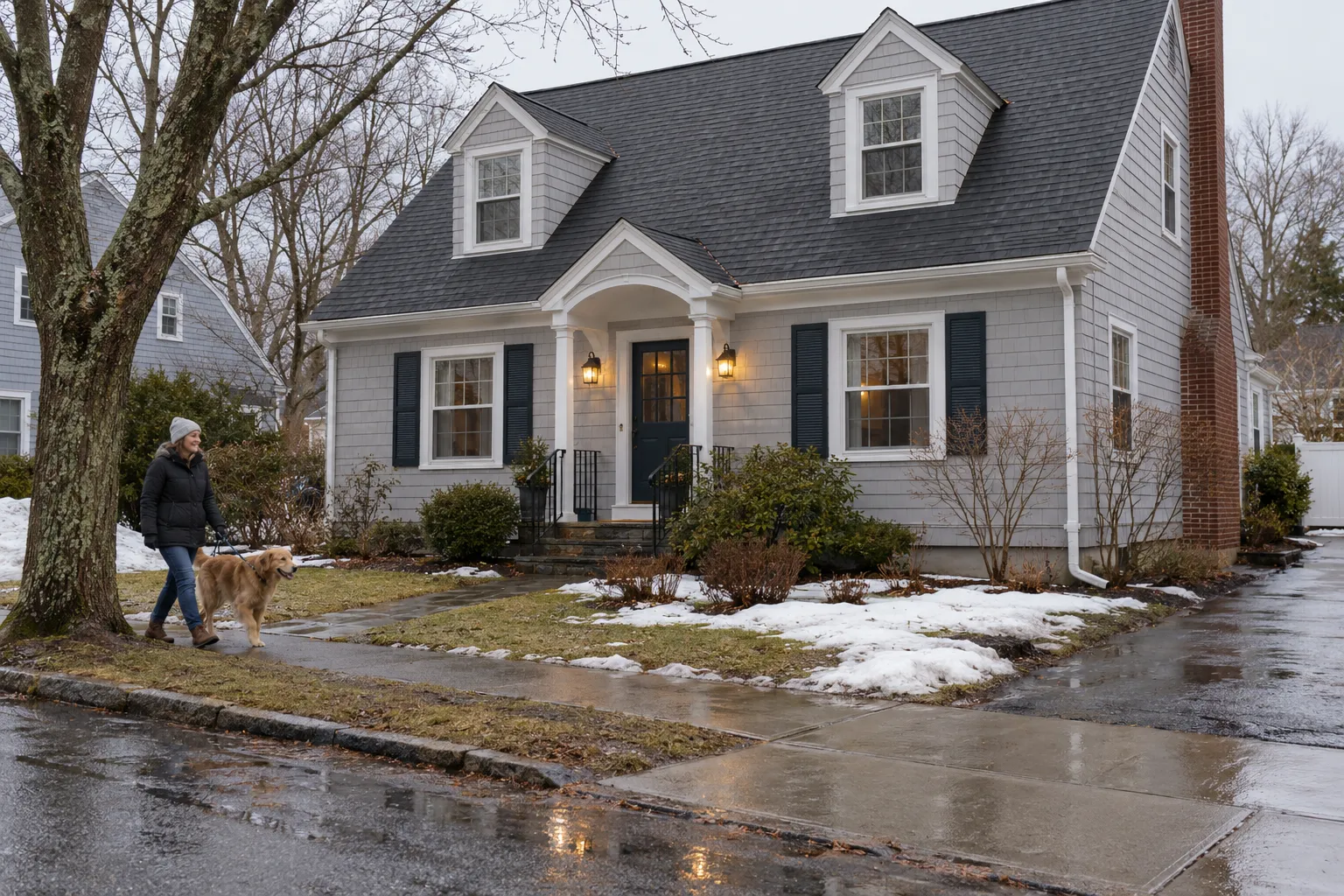
Houses with several units, or Cape-style homes with low knee walls and tight attic spaces, can trap damp air. Those spots deserve a look each season.
Ready to Talk to a Local Provider?
You do not need to sort through pages of listings. Tell us what you found in Elizabeth, and Dukehip Mold Help points you to an independent provider in our network. Costs vary by job. Residential mold removal often runs from a few hundred dollars for a small area to several thousand for larger or hidden problems, so ask for a written quote.
Our Services in Elizabeth
Why Elizabeth Chooses Dukehip Mold Help
One Request Instead of Endless Searching
Send one request and get pointed to an independent local provider, so you spend less time hunting while the spot is still small.
Clear DIY Limits
You get plain advice on what you can wipe and dry yourself, and exactly where to stop and bring in a pro.
Season-Smart Timing
Snowmelt, humid summers and fall storms all change the plan. Providers can help you time inspection and cleanup to the weather.
Inspection and Testing Options
Ask about certified mold testing, black mold remediation, or residential mold removal. Providers explain each step and give a written quote before work starts.
Request Your Elizabeth Estimate
Request an estimate and tell us what you found. We will point you to an independent local provider. Prefer the phone? Request a callback to check provider availability.
Nearby Areas We Serve
Reach a local provider
Request an estimate and tell us what you found. We will point you to an independent local provider. Prefer the phone? Request a callback to check provider availability.
No obligation