Straight answers before you start scrubbing
Mold Questions Homeowners in Kinnelon Ask Most
Request an Estimate
Questions
Answers to common questions
- How much does mold remediation cost?
- It depends on the size of the area, the material affected and how easy it is to reach. Small, contained jobs often run a few hundred dollars. Larger jobs in a basement or attic can reach several thousand. These are typical U.S. ranges and they vary. Get a written quote from the provider before any work starts.
- Can I clean mold myself?
- Sometimes. Small patches on hard surfaces, like a tile or painted wall, are a fair DIY job. Wear gloves, a snug mask and eye protection. Wipe with detergent and water, then dry it first. Know where to stop: if it covers a large area, returns, or sits in drywall or insulation, bring in a provider.
- Is black mold really dangerous?
- Dark mold looks scary, but color alone does not tell you the type. Any heavy mold growth can bother your breathing, eyes and skin, especially for kids, older adults and people with asthma. Do not sweep or scrub a big patch. Stay out of the area and ask a local provider to take a look.
- What happens during a mold inspection?
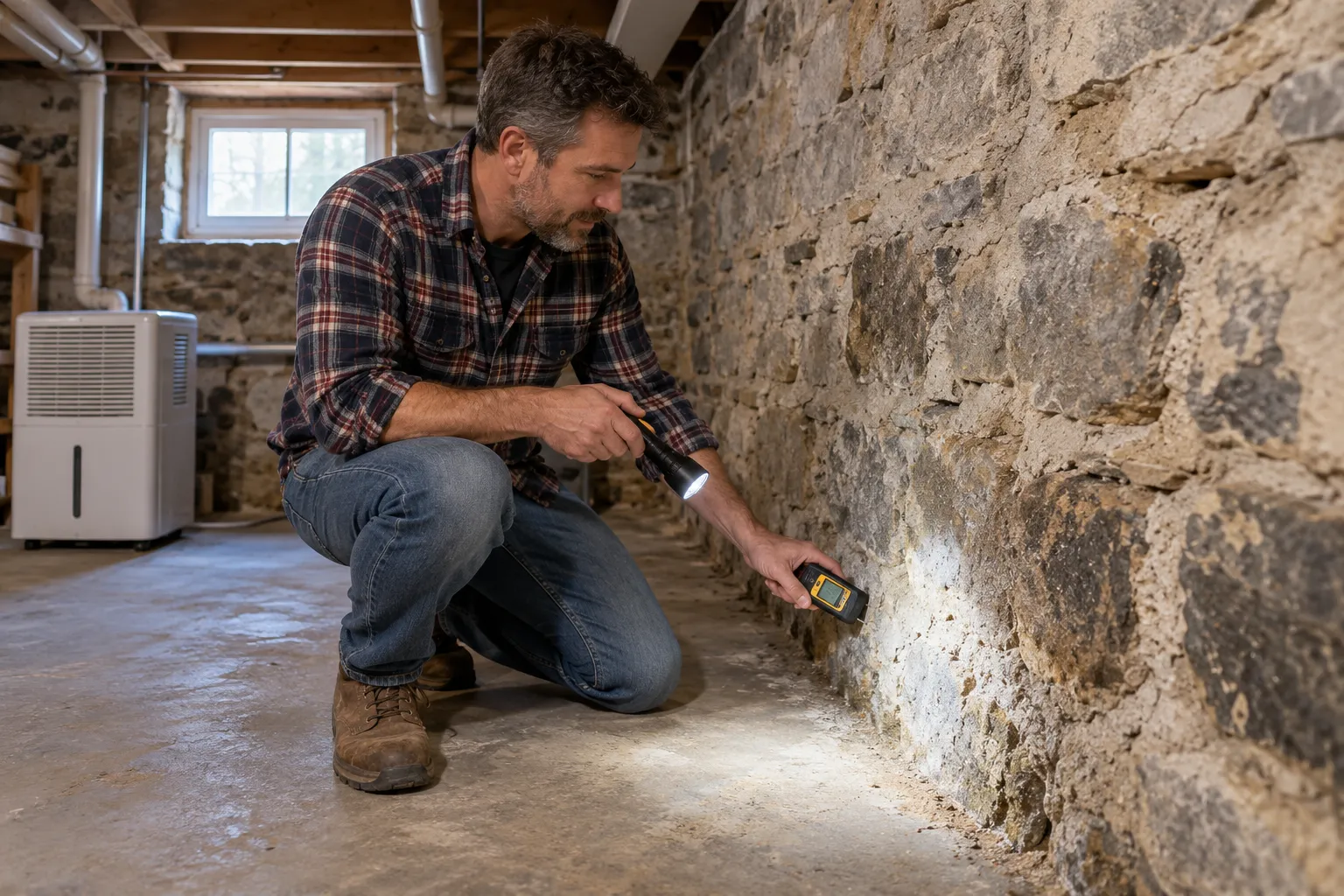
- A provider walks through the home and checks for visible growth, damp spots and musty areas. They may use a moisture meter to find hidden wet walls or floors. Some also take air or surface samples. You then get findings and a plan. Ask for the results in writing so you can compare quotes.
- Do I need mold testing, or can I just see it?
- If you can see mold, testing is often not needed to decide it must go. Testing helps when you smell mold but see nothing, after a leak, or when you want to confirm the job worked. Ask the provider whether certified mold testing makes sense for your home and why.
- How do I pick a good mold provider?
- Ask if they are licensed where your state requires it and carry insurance. Ask what is in the written quote, how they contain the area and how they fix the moisture source. Be wary of vague pricing or pressure to sign fast. Comparing two quotes is a smart habit. Providers in our network are independent.
- Will my insurance pay for mold work?
- It depends on your policy and the cause. Some policies may cover mold that follows sudden damage, like a burst pipe. Slow leaks and long-term dampness are often excluded. Check your policy and talk to your insurer. Providers can often help document damage for a claim.
- Why does mold show up after winter or spring thaw?
- Snowmelt and freeze-thaw cycles push water against stone and block foundations. Damp basements then stay cool and wet, which mold loves. Check corners, sill areas and stored boxes once the ground thaws. Fix the moisture first, run a dehumidifier, and call a provider if you spot spreading growth.
Contact
Reach a local provider
Request an estimate and tell us what you found. We will point you to an independent local provider. Prefer the phone? Request a callback to check provider availability.
No obligation